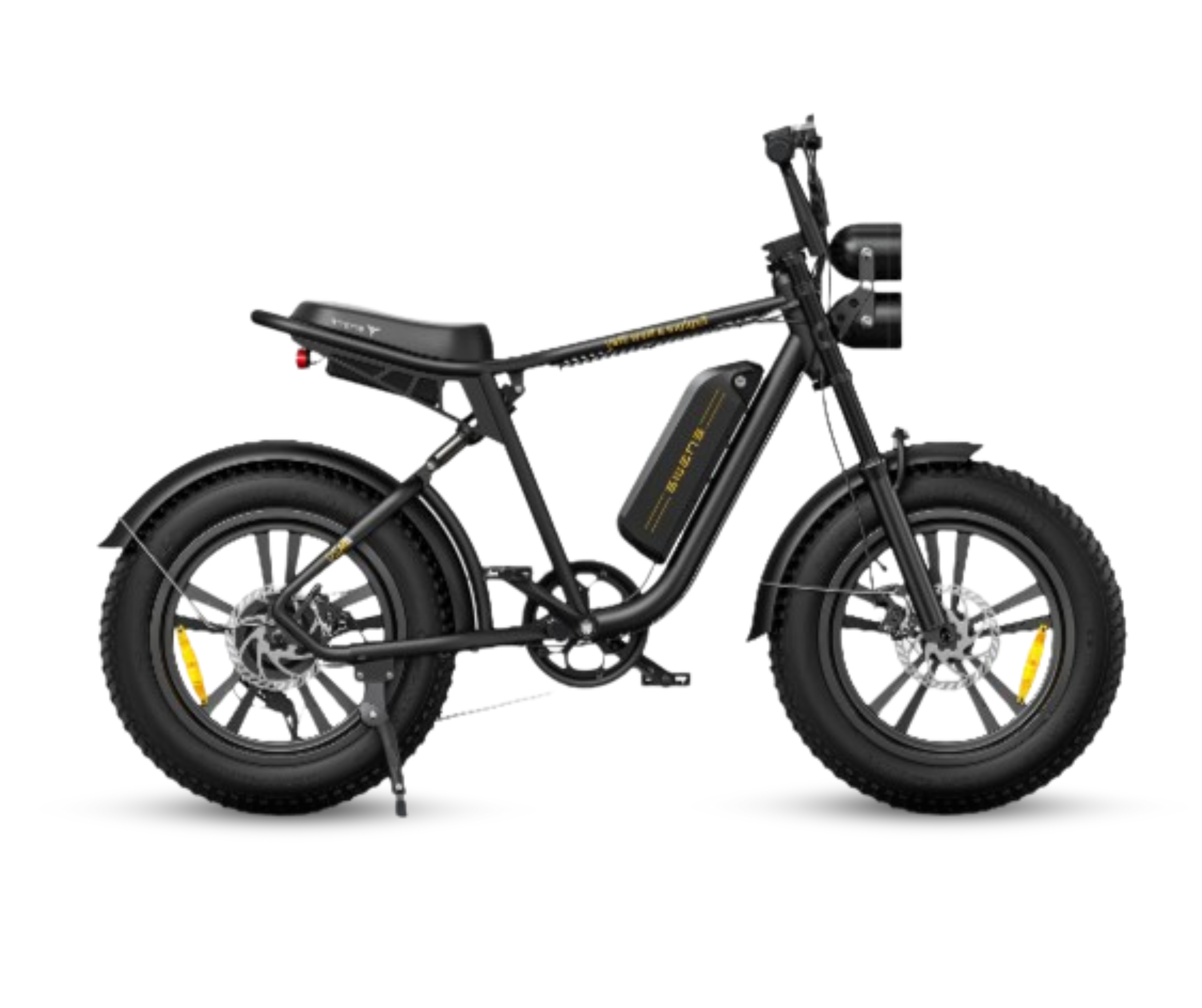

Here's some good news if you're thinking about an e-bike — or already own one: they need far less maintenance than most people fear.
One of the most common worries we hear at Uni-trax is "aren't e-bikes complicated and expensive to look after?" The honest answer: no. A modern e-bike — especially a belt-drive model like the ADO Air series or Fiido Air — needs less upkeep than a traditional bike, not more. There's no oily chain to fuss over, the electrics are sealed, and most of the care comes down to a few simple habits that take minutes.
This guide walks you through exactly how to keep your e-bike running beautifully for years — the daily two-minute checks, the weekly basics, the seasonal jobs, and the few things best left to a professional. No jargon, no faff.
And whenever you need a part or a bit of kit, subscribe to the Uni-trax newsletter for 10% off your entire order.
Table of Contents
- Do E-Bikes Really Need Much Maintenance?
- Your Simple E-Bike Maintenance Routine
- Tyres: The Most Important (and Easiest) Job
- Brakes: Stay Safe, Stay Smooth
- Drivetrain: Why Belt Drive Changes Everything
- Battery Care: The Big One
- Cleaning Your E-Bike (and What Never to Do)
- Storage: Protecting Your Investment
- The Electrics: Lights, Connectors & Firmware
- When to See a Professional
- Seasonal Care for British Weather
- Save 10% with the Newsletter
- Frequently Asked Questions
Do E-Bikes Really Need Much Maintenance?
Less than you'd think. An e-bike is, mechanically, still a bicycle — plus a sealed motor, battery, and some wiring that are designed to be maintenance-free for the rider. You don't service the motor at home; you just look after the bike around it.
In fact, the parts that do need attention are exactly the same as on any bike: tyres, brakes, and the drivetrain. Master those three, look after the battery sensibly, and keep the bike clean and dry, and you've covered 95% of what matters.
The reward for a few minutes a week? A bike that's safer, rides better, goes further on a charge, holds its value, and lasts for many years — which, given how much an e-bike saves you over a car, makes it an even better investment. (See just how much in our E-Bike vs Car cost guide.)
Your Simple E-Bike Maintenance Routine
Here's the whole thing at a glance. Print it, screenshot it, done.
Before every ride (30 seconds — the "ABC" check):
- Air — tyres feel firm?
- Brakes — squeeze both levers, do they bite?
- Charge & Chain/belt — enough battery, nothing obviously loose?
Weekly (5 minutes):
- Check and adjust tyre pressure
- Quick wipe-down of the frame
- Glance over brakes and belt/chain
- Make sure lights work
Monthly (15–20 minutes):
- Proper clean (see below)
- Check brake pad wear
- Check all bolts are snug (especially folding joints, stem, seatpost)
- Inspect tyres for wear, cuts, or embedded glass
- Clean and lightly check battery contacts
Annually:
- A full service — ideally professional (more below)
- Brake pads/cables, bearings, and a thorough safety check
That's genuinely it. Now the detail on each.
Tyres: The Most Important (and Easiest) Job
If you do one thing regularly, make it this. Correct tyre pressure is the single biggest factor in how your e-bike rides — and most people neglect it.
Why it matters:
- Underinflated tyres can silently cost you 10–20% of your range (your motor works harder pushing soft tyres).
- They're far more prone to punctures (especially "pinch flats").
- They make the bike feel sluggish and vague.
What to do:
- Check pressure weekly. Tyres lose air naturally over time, even without a puncture.
- Inflate to the pressure printed on the tyre sidewall (it'll show a range — aim for the middle for general use, higher for efficiency, lower for comfort/grip).
- Use a proper pump with a gauge. Our Inflatable Pump for ADO E-bike (£20) is a cheap bit of kit that pays for itself in saved range and fewer punctures.
Tip: many ADO Air models come with anti-puncture tyres, which helps — but they still need correct pressure to work their best.
Brakes: Stay Safe, Stay Smooth
E-bikes are a touch heavier and faster than regular bikes, so good brakes matter. The hydraulic disc brakes on quality e-bikes (like all those at Uni-trax) are excellent and low-maintenance, but they're not zero-maintenance.
What to check:
- Bite — squeeze each lever before you ride. The brake should engage firmly well before the lever reaches the bar. If it pulls right back to the bar, it needs attention.
- Pad wear — check the brake pads monthly. When the pad material gets thin (roughly 1.5mm or less), replace them. Worn pads = poor stopping and damaged discs.
- Noise — occasional squeal after rain is normal; persistent grinding or rubbing is not.
- Discs — should be clean and true. Don't touch the disc surface with oily fingers (it contaminates the pad).
Hydraulic brakes occasionally need "bleeding" (replacing the fluid) — that's a job for a professional, usually only every year or two.
Drivetrain: Why Belt Drive Changes Everything
This is where modern e-bikes get genuinely easier to live with — and where your choice of bike makes a real difference.
Carbon belt drive (ADO Air series, Fiido Air, and more):
A carbon belt replaces the traditional oily chain, and it's a revelation for maintenance:
- No oiling, ever. No greasy trousers, no black marks on your hands.
- No rust.
- Virtually maintenance-free — a belt typically lasts 20,000–30,000 km with little more than the occasional rinse.
- Just keep it free of grit and check tension is correct (a professional job, rarely needed).
This is one of the quietly brilliant reasons belt-drive e-bikes are so popular for commuting — there's almost nothing to do. (More on the tech in our carbon-fibre and belt-drive guide.)
Traditional chain (some models):
If your e-bike has a chain, it needs a bit more love:
- Clean and re-lubricate roughly every 100–200 miles, or after wet/muddy rides.
- Use proper bike chain lube (wet lube for winter, dry lube for summer) — never WD-40 as a lubricant; it's a degreaser.
- Wipe off excess lube so it doesn't attract grit.
- A well-kept chain lasts far longer and shifts far better.
Battery Care: The Big One
Your battery is the most valuable component on the bike, and how you treat it determines whether it lasts 3 years or 7+. The headline habits:
- Daily use: keep it roughly 20–80% charged rather than always topping to 100%.
- Avoid extremes: don't charge or store in very hot or very cold conditions.
- Long storage: keep it around 40–60% and top up every 4–6 weeks.
- Use the original charger, and don't leave it plugged in for days on end.
Because this is so important, we've written a complete, dedicated guide — it's essential reading and covers the 10 rules that add years to your battery's life, plus how to get the most real-world range:
▶ Your E-Bike Battery Explained: How to Make It Last 5+ Years
If you ride big distances and want a backup, ADO offer integrated spares like the Seat Battery (£299) — though for most riders, one well-cared-for battery is plenty.
Cleaning Your E-Bike (and What Never to Do)
A clean bike isn't just nice to look at — grit is what wears out moving parts. But e-bikes have electrics, so cleaning needs a little care.
Do:
- Use a bucket of soapy water and a soft brush or sponge.
- Wipe the frame, wheels, and (gently) the drivetrain.
- Dry it off afterwards, especially around metal parts, to prevent rust.
- Clean the battery contacts occasionally with a dry cloth.
- Keep a Saddle Cover (£16.99) handy to protect the seat from rain when parked.
Never:
- Never use a pressure/jet washer. High-pressure water forces its way into bearings, the motor, and electrical seals — the fastest way to cause expensive damage. This is the #1 e-bike cleaning mistake.
- Don't submerge the bike or battery.
- Don't hose directly at the motor, display, or charging port.
- Don't degrease a carbon belt with harsh chemicals — a rinse is all it needs.
Modern e-bikes (including all those at Uni-trax) have IP-rated water resistance, so riding in the rain is completely fine — it's forced water under pressure that causes problems, not normal weather.
Storage: Protecting Your Investment
Where and how you store your bike affects both its lifespan and its safety.
- Store indoors where possible — a hallway, cupboard, or spare room. Indoor storage protects against weather and theft. (Folding models like the ADO Air range make this easy.)
- Keep the battery indoors at room temperature, especially in winter — cold kills range and ages the battery.
- If storing outside or transporting, a cover or bag helps. The ADO Storage Bag for Folding E-Bike (£77) protects your bike for transport and keeps it clean — handy for train trips and car boots.
- Mudguards keep road grime and salt off the bike in the first place — if yours doesn't have them, the Rear Rack + Iron Mudguard for ADO Air 20 / 20S (£99.90) adds protection and carrying capacity together.
And since an e-bike is a valuable asset, storage is also about security. A bike kept indoors and properly locked is a bike that doesn't get stolen — see our full E-Bike Security Guide for locks, trackers, and smart habits. The keyless Finger Print Lock (£99.99) and the hidden AirTag Bell (£29.90) are popular, low-effort protection.
The Electrics: Lights, Connectors & Firmware
The good news: there's very little to do here, by design.
- Lights: check they work, especially before dark rides (legally required after dark). Keep contacts clean.
- Connectors: keep the charging port and any cable connectors clean and dry. A dry cloth is all you need.
- Display: wipe gently; don't jet-wash or soak it.
- Firmware/app: many modern e-bikes (including ADO models with the ADO Smart App) get occasional firmware updates that improve performance or fix bugs — worth checking the app now and then.
- Loose wiring: if you ever see a frayed or disconnected cable, don't ride — get it checked.
You should never open the motor or battery casing yourself. There are no user-serviceable parts inside, and doing so is dangerous and voids your warranty.
When to See a Professional
Most care is DIY, but some jobs are worth handing over — and an annual service is a genuinely good idea for any e-bike you ride regularly.
See a professional (like our Uni-trax store teams) for:
- Annual full service — bearings, brake bleed, belt/chain tension, safety check
- Brake bleeding (hydraulic fluid replacement)
- Belt tension adjustment
- Anything electrical — motor, wiring, or battery faults
- Wheel truing or spoke issues
- Anything under warranty — don't risk DIY on a warranty job
A yearly service is cheap insurance: it catches small issues before they become expensive ones, and keeps your warranty and safety intact. Our UK stores can help — find your nearest Uni-trax store.
Seasonal Care for British Weather
A few extra habits for our charming climate:
Wet months (most of them 😉):
- Dry the bike after wet rides to prevent rust.
- Keep the battery and contacts dry.
- Chain users: re-lube more often (wet lube); belt-drive users: just rinse off grit.
- Watch for road salt in winter — it's corrosive; rinse it off.
Cold months:
- Store the battery indoors and bring it to room temperature before charging.
- Expect reduced range in the cold (10–25% is normal) — it returns when it warms up.
Summer:
- Don't leave the bike or battery baking in direct sun or a hot car.
- Check tyre pressure more often (heat changes it).
- Perfect season to actually use it — see our best UK cycle routes guide for where to ride.
Save 10% with the Uni-trax Newsletter
Keeping your e-bike in top shape sometimes means a new pump, a fresh saddle, mudguards, or a spare part.
Subscribe to the Uni-trax newsletter and get 10% off your entire order — accessories and spares included. The code lands in your inbox the moment you sign up.
▶ Shop ADO Accessories · Shop Fiido Accessories
▶ Subscribe to the newsletter for your 10% off code
Frequently Asked Questions
How often should I service my e-bike?
A quick check before each ride, a 5-minute look weekly, a proper clean monthly, and a full (ideally professional) service once a year. Belt-drive models need even less than chain-driven ones.
Do e-bikes need more maintenance than normal bikes?
No — generally less, especially belt-drive models like the ADO Air series and Fiido Air. The motor and battery are sealed and maintenance-free for the rider; you just look after the tyres, brakes, and cleanliness as you would any bike.
Can I wash my e-bike with a hose or pressure washer?
A gentle hose or bucket-and-sponge is fine; a pressure/jet washer is not — it forces water into bearings, the motor, and electrical seals and is the most common cause of avoidable e-bike damage. Never jet-wash an e-bike.
Can I ride my e-bike in the rain?
Yes. Quality e-bikes (including all those at Uni-trax) have IP-rated water resistance and are designed for UK weather. Just dry it afterwards and don't submerge or jet-wash it.
How do I look after the battery?
Charge to 20–80% for daily use, avoid temperature extremes, store at 40–60% if not riding for weeks, and use the original charger. Full detail in our Battery Care Guide.
Do I need to oil a carbon belt drive?
No — that's the beauty of it. A carbon belt needs no oil, won't rust, and lasts 20,000–30,000 km with just the occasional rinse. It's why belt-drive e-bikes are so low-maintenance.
What can I do myself, and what needs a professional?
DIY: tyre pressure, cleaning, basic checks, chain lubing, brake pad inspection. Professional: annual service, brake bleeding, belt tension, anything electrical, and anything under warranty. Never open the motor or battery yourself.
How do I keep my e-bike from being stolen?
Store it indoors, lock it properly (ideally two locks), and consider a hidden tracker. Full strategy in our E-Bike Security Guide.
Final Thoughts: A Little Care Goes a Long Way
The secret to e-bike maintenance is that there isn't much of a secret. Keep the tyres pumped, the brakes working, the bike clean and dry, the battery sensibly charged, and book a yearly service — and your e-bike will reward you with years of reliable, money-saving, joyful riding.
Choose a belt-drive model and you'll do even less. Either way, a few minutes a week is all it takes to protect what's genuinely one of the best investments you can make in your daily life.
▶ Browse e-bikes and accessories at Uni-trax — and claim your 10% newsletter discount today.